
Country
Netherlands
Region/Province
Groningen and Drenthe
River basin
Westerwoldse Aa basin
Length
~60 km
Main features
Canalized river shaped by centuries of land reclamation. The citizen initiative Van Aa naar Zee seeks to reconnect the freshwater–saltwater gradient and restore ecological and cultural ties with the Wadden Sea.
In the northeastern part of the Netherlands, land has been reclaimed from the sea over the last few centuries.
The landscape, the people, and the culture in this region are shaped by land reclamation, as the fertile soils of sea clay deposits have allowed grain production to thrive.
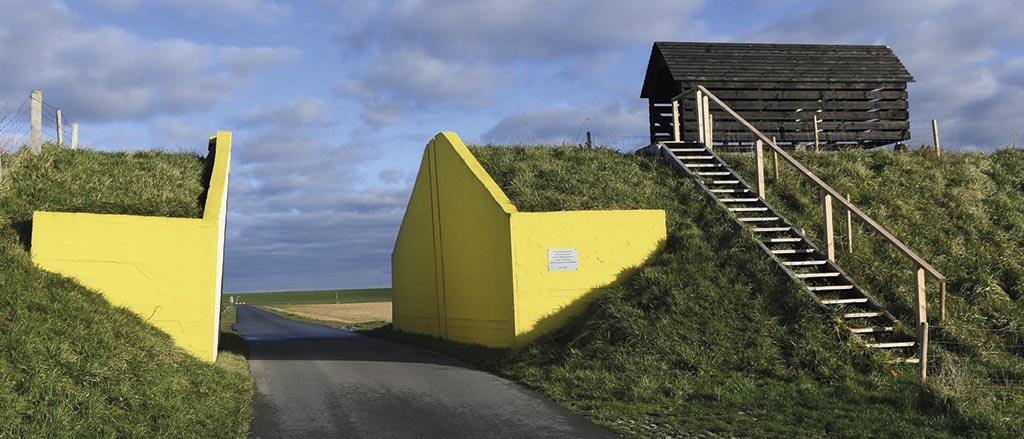
The Westerwoldse Aa River has evolved alongside land reclamation and has been canalized to facilitate the drainage of land for agriculture and transportation of (agricultural) goods. Sluices have been installed to keep the (salty) seawater out. However, historically, the sea has also reclaimed land through dike breaches.
The water and its landscape have always been in flux. Between 1988 and 1991 the sluices were reinforced, dikes were heightened and a dam was constructed as part of the Dutch “Delta works” for flood protection.
The Westerwoldse Aa forms the border between the Netherlands and Germany on its final stretch.
Now, a citizen initiative has emerged to creatively (re-)connect the water of the Westerwoldse Aa River to the Wadden Sea (Dollard) and restore the natural sweet-to-saltwater gradient.
The project idea aims to create possible solutions to natural-technical challenges such as land subsidence, natural degradation, biodiversity loss, sea level rise, and salinization, while also reconnecting people to the water and the landscape and creating socio-economic opportunities for residents.
We will map the values that people hold regarding the water and the relationships shaped by it. By doing this, we not only aim to elevate the message of the citizens in the region to decision-makers but also actively connect people with the water.
We actively engage people with the water by bringing them together to reflect on the history, present, and future of the river, and this way support the re-enlivening of the river(scape).