
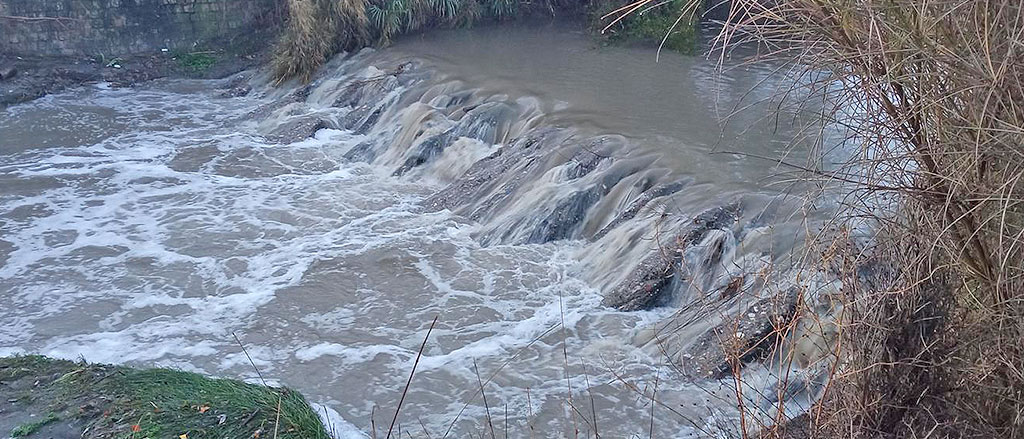
A recent article published in the Journal of Political Ecology explores the social and ecological tensions surrounding traditional irrigation systems and river restoration in southern Spain. Focusing on the river-acequia networks of the Vega de Granada, the research highlights how rivers are not only water flows, but also living socioecological systems shaped by memory, agriculture, care, and collective histories.
The article examines how traditional irrigators often feel excluded from dominant environmental narratives and water policies. While institutional approaches tend to separate rivers from irrigation infrastructures, local communities describe acequias as an essential part of the river itself: systems that recharge aquifers, sustain biodiversity, support food production, and maintain cultural landscapes.
Through the concept of permeability, the authors propose a different way of understanding rivers and environmental care. Rather than fixed boundaries between nature and society, or between environmentalism and agriculture, permeability emphasizes interdependence, exchange, and coexistence. Rivers, acequias, farmers, activists, memories and ecosystems are understood as deeply interconnected.
The research also documents how activists, irrigators, researchers and local residents are building new alliances through assemblies, river walks, mapping activities and collective learning processes. These initiatives seek to reconnect environmental justice with rural livelihoods and to create more inclusive forms of river governance and restoration.
At RiVIVE, these reflections resonate strongly with our interest in riverscape conviviality, participatory restoration and the recognition of diverse forms of ecological knowledge.