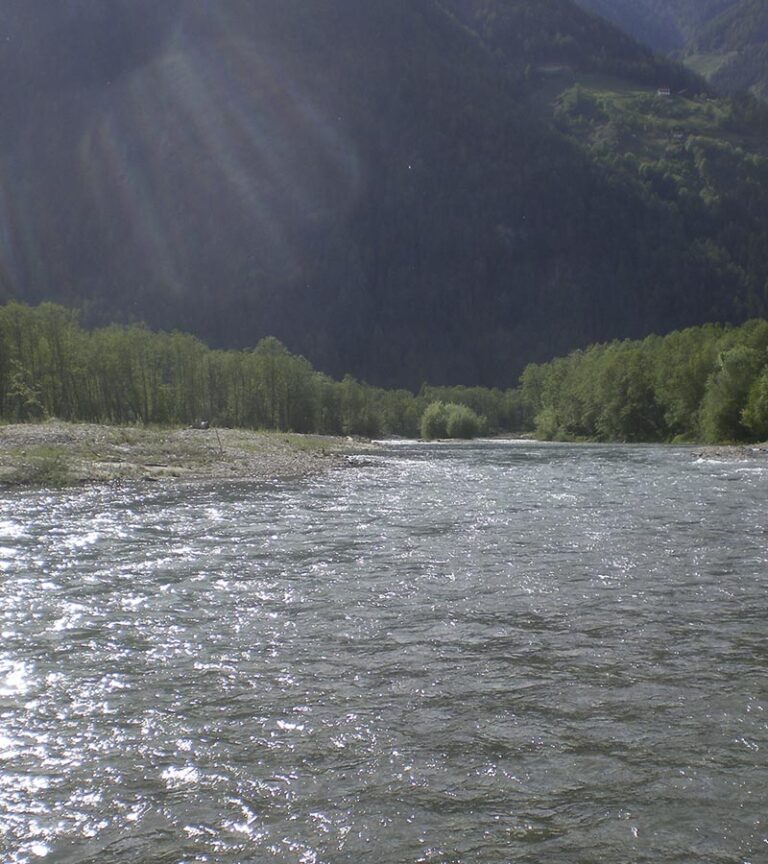
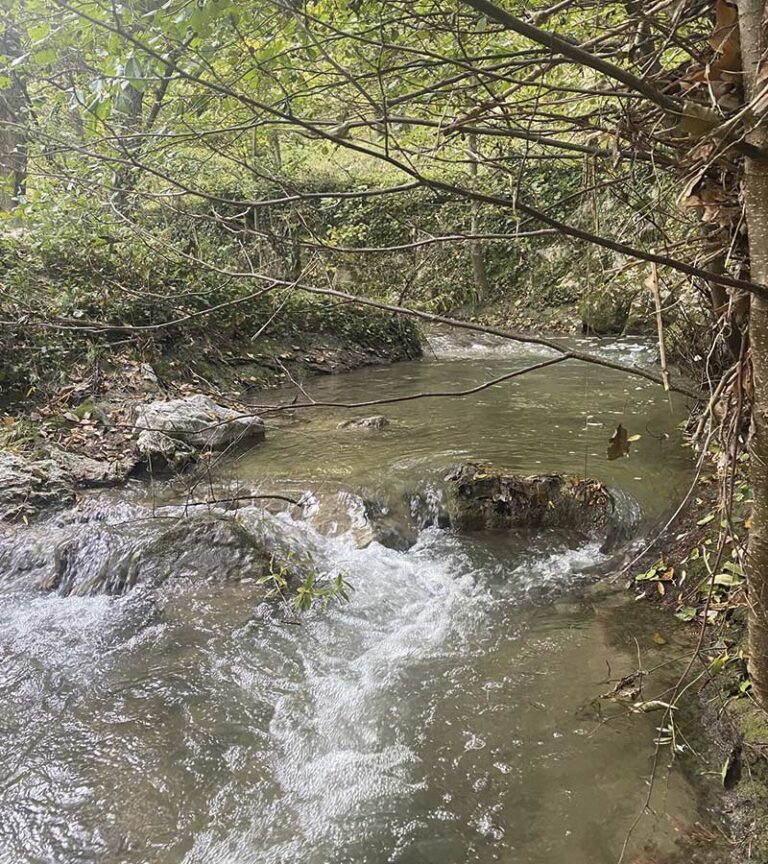
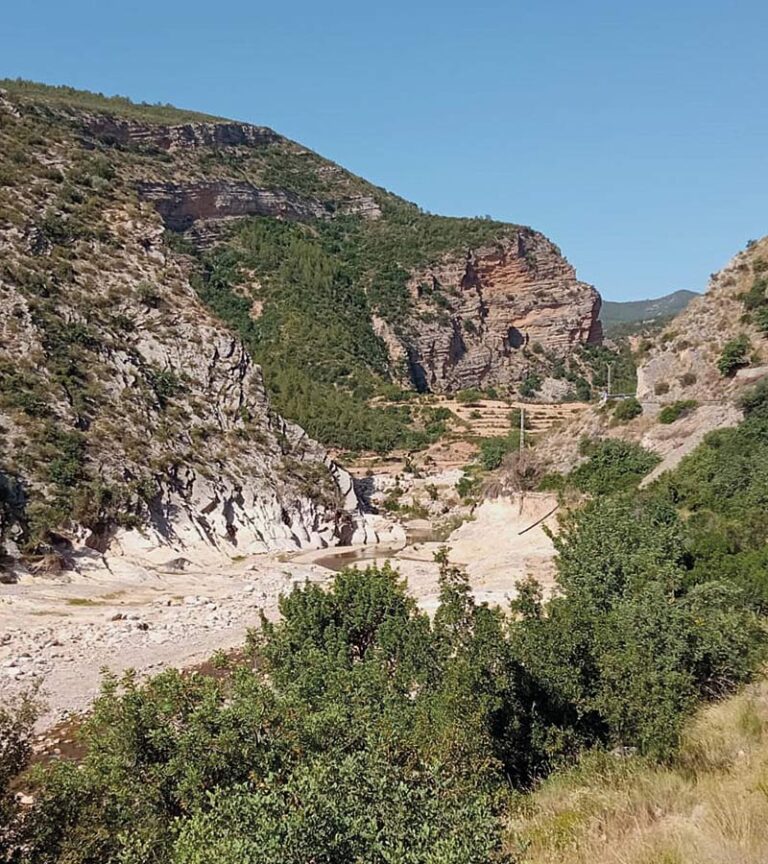
South Tyrol, Italy. 53 km long. In 2003 the river basin authority started a river restoration program with the purpose of improving the ecological functionality, consisting of the removal of riverbank protections, channel widening, raising of the riverbed by introducing the sediments taken from the banks, and creation of islands.
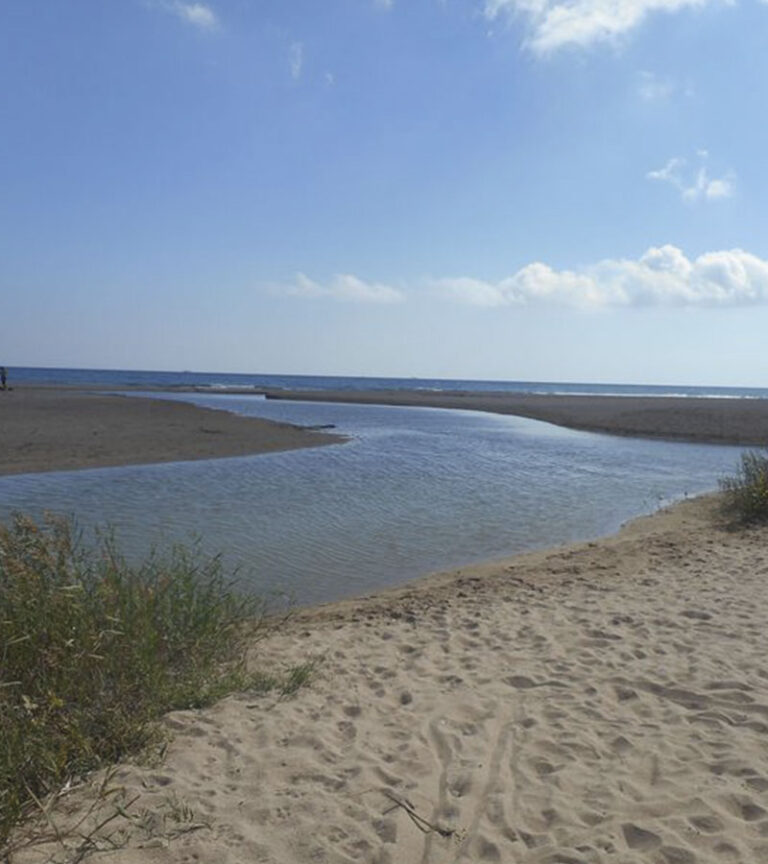
Catalonia, Spain. Highly altered river (208 km) due to the construction of reservoirs, dikes, energy and irrigation projects and water transfers. The basin hosts conflicting management perspectives: agents supporting a reduction in water transfers from the river to Barcelona to increase the ecological river flow, and voices that point to restorative solutions, based on nature and inspired by the original hydrological regime of the basin to manage droughts, floods and the recharge of aquifers.
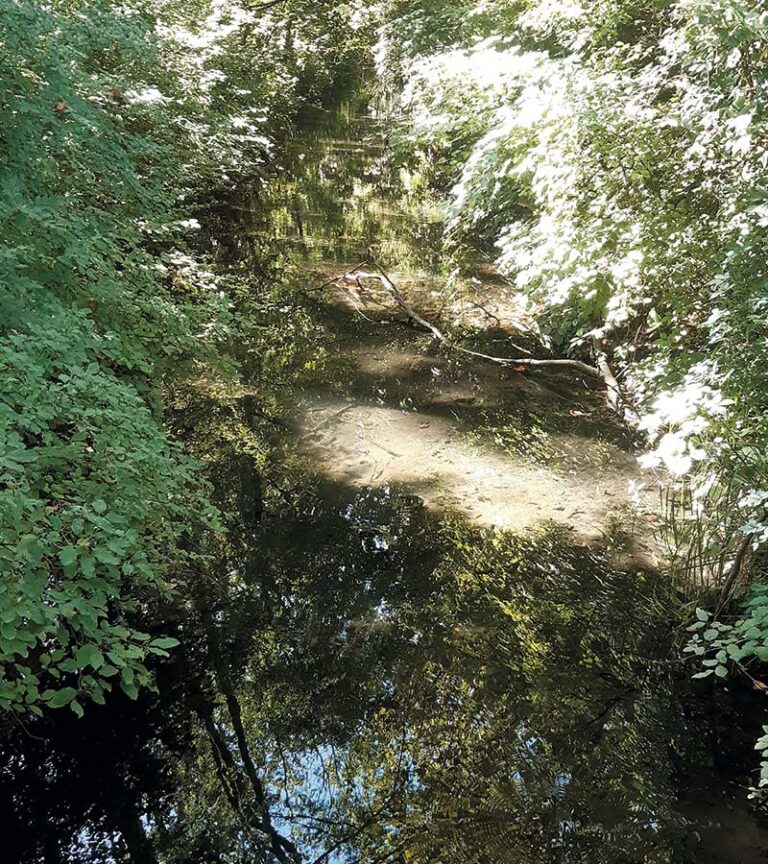
Lyon metropolitan area, Auvergne-Rhône Alpes, France. 7 km long. In some reaches, the river has disappeared under concrete. Nearby industries have also degraded the quality of its waters. Today, the Rize is suffering from problems (increased risk of flooding, silting of the riverbed, reduced biodiversity, etc.) to such an extent that the Metropole de Lyon has decided to undertake restoration works in the commune of Vaulx-en-Velin.fers.
Vaucluse, South-Eastern France. 35 km long. Numerous hydraulic infrastructures obstruct its course and have had numerous consequences (risk of flooding, ecological degradation, etc.). In response to these problems, the river basin agency, has decided to implement a project to restore 500 m of watercourse.
Comunitat Valenciana, Spain. In 2024, a catastrophic flood of the Sot or Reatillo River destroyed infrastructure, vegetation, and key community spaces, deeply affecting the village’s livelihood. Today, the municipality faces the challenge of restoring its river and riparian areas through a participatory process that seeks to reconnect people with the water and recover the river as a vital element of community life.